
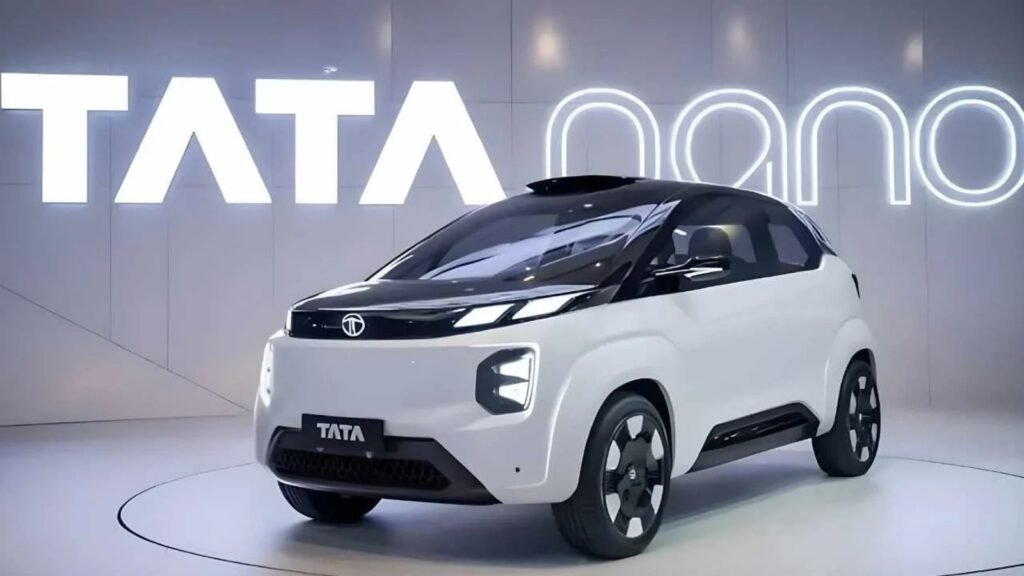
2026 Tata Nano Electric Car: The electric mobility wave in India is moving into a new phase, with more attention on practicality, affordability, and useful technology. The 2026 Tata Nano Electric Car is designed with a straightforward goal: to make electric driving a realistic option for middle-class families. Rather than being positioned as a luxury product, this EV aims to be an everyday companion. With a digital instrument cluster, improved safety features such as ABS, and city-friendly performance, it gives the entry-level electric car a more modern feel for 2026.
Affordable Electric Revolution Begins
The biggest talking point around the 2026 Tata Nano Electric is its expected middle-class-friendly positioning. For years, electric cars have been seen as expensive alternatives to petrol vehicles. The new Nano EV aims to change that perception by focusing on buyers who want lower running costs without giving up essential features. Lower fuel expenses, minimal servicing needs, and government EV incentives in several states could make overall ownership quite attractive. The idea is to make EV ownership practical rather than something that feels out of reach.
Smart Battery For Daily Drives
The Nano Electric focuses on everyday usability rather than exaggerated claims. It is expected to use a compact lithium-ion battery pack suited to city driving. A practical range for office commutes, school runs, and grocery trips would make it a good fit for urban families. Fast charging support could also cut down charging time, while home charging adds another layer of convenience. The battery management system is designed with durability in mind, helping maintain consistent performance over longer-term use.
Digital Cluster Adds Modern Feel
One of the key upgrades in the 2026 version is the fully digital instrument cluster. Instead of the basic analog meters found in many older entry-level cars, the Nano Electric offers a cleaner and more informative display. Drivers can keep an eye on battery percentage, estimated range, speed, trip information, and energy consumption in real time. It gives the cabin a more modern feel and adds a useful touch of technology, particularly for younger buyers.
ABS Safety Brings Confidence
Safety has become an important consideration even in budget-friendly cars. The 2026 Tata Nano Electric includes an Anti-lock Braking System to improve braking stability. ABS helps prevent the wheels from locking during sudden braking, particularly on wet or slippery roads. That can give drivers more confidence in emergency situations. Along with ABS, the car is expected to feature dual airbags, rear parking sensors, seatbelt reminders, and a strengthened body structure. For families, this safety package could be a major reason to consider the EV.
Compact Body Perfect For Cities
City driving calls for a car that is easy to handle, and the Nano Electric is built around that idea. Its compact dimensions make it easier to move through narrow lanes and busy traffic. Parking in tight residential areas or crowded markets is also less of a challenge. Despite its small exterior, the cabin is designed to make good use of the available space. Four passengers can travel comfortably over short to medium distances, while the upright seating position improves visibility and makes everyday driving easier.
Low Running Cost Advantage
One of the biggest advantages of the Nano Electric is expected to be its low running cost. Compared with petrol cars, EVs generally cost less to run per kilometer. Charging at home can also be considerably cheaper than regular visits to a petrol station. Electric motors have fewer moving parts too, which can help reduce maintenance expenses. There are no engine oil changes, fewer mechanical components to worry about, and simpler servicing requirements. For middle-class households, these savings can be more valuable than flashy extras.
Smooth And Silent Performance
Electric vehicles are known for delivering instant torque, and the Nano Electric is expected to provide smooth acceleration in city conditions. The quiet motor should make driving more comfortable, particularly during early-morning or late-night trips. Stop-and-go traffic can also feel less tiring without constant gear changes or engine noise. Its lightweight design further supports efficiency and responsiveness. It may not be intended as a high-speed highway cruiser, but it should suit everyday urban driving well.
Practical Interior With Comfort
Inside, the 2026 Nano Electric focuses on keeping things simple, practical, and comfortable. The dashboard has a straightforward yet modern layout, while fabric seats with improved cushioning are designed to make journeys more comfortable. Air conditioning, power windows, and a compact infotainment system with Bluetooth connectivity are expected to be included. Small storage spaces for items such as phones, bottles, and wallets add to the car’s everyday practicality. Overall, the approach balances affordability with the features people actually use.
Eco Friendly Urban Solution
Environmental awareness is growing among Indian car buyers, and the Nano Electric offers a way to support cleaner urban transportation. As an EV, it produces zero tailpipe emissions, which can help reduce pollution in busy cities. Charging infrastructure is also expanding gradually, making electric ownership more convenient. By choosing an electric car, families can lower their running costs while also contributing to a cleaner transportation system. It becomes both an economical and responsible choice.
Ideal Choice For First Buyers
First-time car buyers usually prioritize reliability, affordability, and ease of use. The 2026 Tata Nano Electric aims to cover all three. Its compact size makes it easy for new drivers to handle, while the automatic driving experience removes the hassle of manual gear changes. The digital cluster and safety features also mean buyers do not have to give up modern technology simply because they are choosing a budget-friendly car. For young professionals, small families, and senior citizens, the combination of simplicity and modern features could be appealing.
Charging Convenience At Home
One of the most convenient parts of EV ownership is the ability to charge at home. The Nano Electric is expected to support standard home charging solutions, allowing owners to charge the car overnight and have it ready for the next day’s commute. This can eliminate regular trips to fuel stations. With the right electrical setup and basic safety precautions, charging can become a simple part of the daily routine. For households with dedicated parking, that convenience adds considerable value.
Strong Comeback In EV Avatar
The Tata Nano once became a symbol of affordable mobility in India. In electric form, it carries that same basic idea forward while adding newer technology. Instead of focusing only on keeping the price low, the 2026 model emphasizes safety, digital features, and efficiency. It represents a practical evolution of the Nano concept, one that fits better with today’s changing mobility needs. By bringing together affordability and essential technology, the Nano Electric aims to give entry-level EVs a fresh direction.
Also read: Hero Electric Scooter 2026
The 2026 Tata Nano Electric Car could be a practical option for middle-class families looking for affordable electric mobility. Its digital instrument cluster, ABS safety, low running costs, and compact city-friendly design give it a balanced overall package. It may not match premium EVs when it comes to range or luxury, but that is not necessarily its purpose. For daily commuting, keeping expenses under control, and making a more eco-conscious choice, the Nano EV could be one of the more sensible electric options in 2026.